
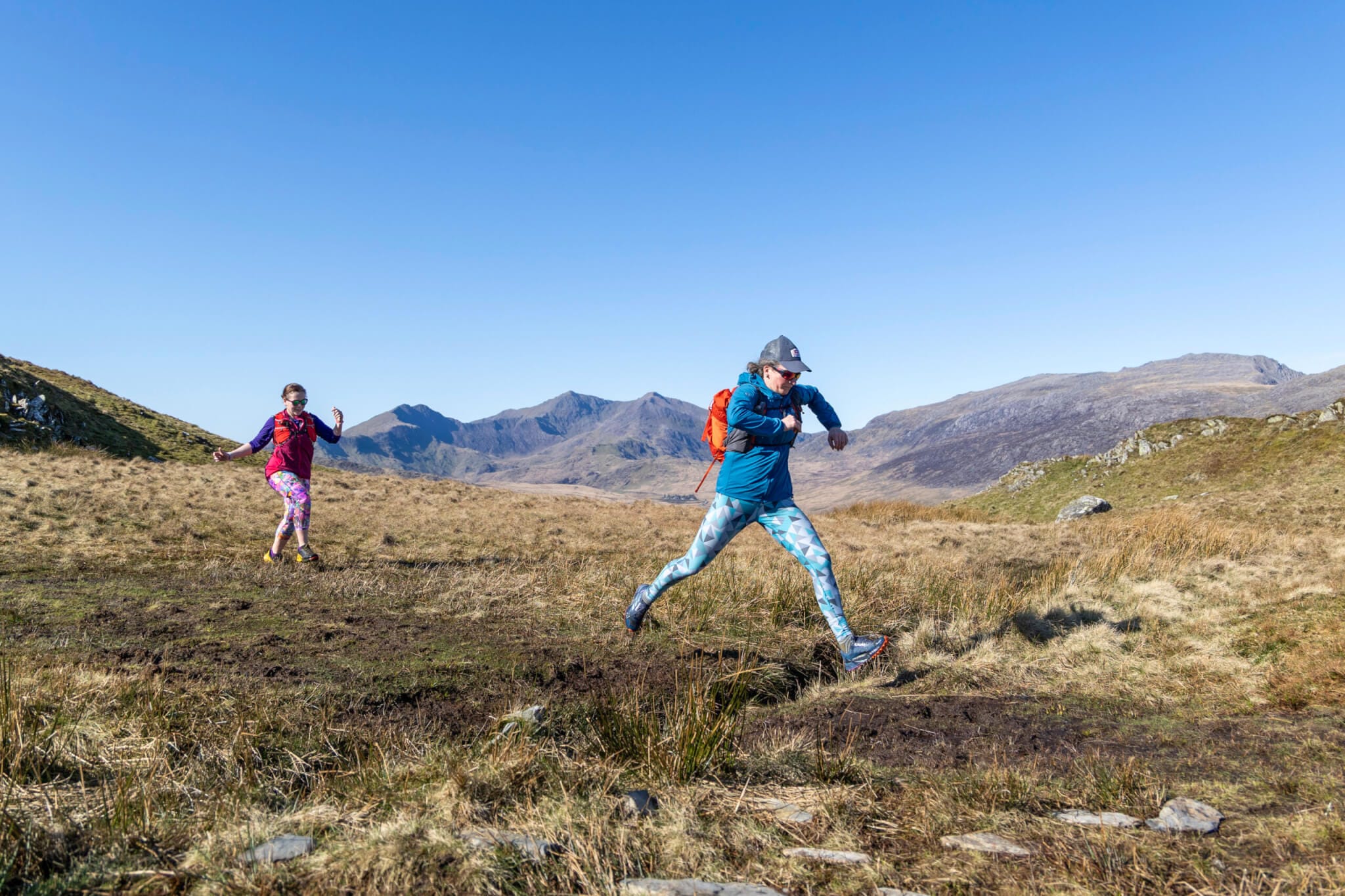
Why the Always Aim High Snowman Triathalon has kit checks
The Always Aim High Snowman is famous for being one of the toughest, most spectacular events on the calendar. Starting right here from our home base at Plas y Brenin, the route takes you straight up Moel Siabod, No roadsite pick up here!
But with spectacular mountain terrain comes unpredictable, quickly changing conditions and remote, isolated trails. That’s why the mandatory kit list is there to keep you safe when you are out in the wild.
We sat down with Kath, one of our mountaineering instructors at Plas y Brenin, to break down exactly why this gear is essential and why you shouldn't dream of starting your race weekend packing without it.
More Than a Check-Box Exercise: Staying Self-Sufficient
When you're pushing for a personal best, it’s easy to look at a kit list and worry about extra weight. However, as Kath highlights, the moment you head up into the mountains, you are entering a wild environment far from immediate habitation [00:22].
If you get injured, twist an ankle on rough terrain, or succumb to fatigue, your body temperature will drop rapidly. The mandatory kit ensures you can put on dry layers, stay hydrated, refuel, and remain completely self-sufficient until safety teams can reach you [00:32]. Remember, spot checks will be in place, and anyone missing required gear will not be allowed to race.
Here is a look at the "why" behind the key items on the list:
1. Protection from the Elements
Waterproof Whole Body Cover (Taped Seams & Integrated Hood): Mountain weather can turn on a dime. The wind picks up fast on the ridges, which can cool you down to dangerous levels in minutes [01:07]. A high-quality jacket and trousers keep the wind and driving rain out.
Hat and Gloves: We lose a massive amount of heat through our heads [01:17]. If your hands get too cold, you lose dexterity, making it impossible to open food wrappers, use your phone, or look after yourself [01:22].
2. Emergency & Exposure Gear
Foil Blanket (or Blizzard Jacket): A standard foil blanket is mandatory, but if you want to upgrade your safety, Kath highly recommends a double-layered Blizzard survival jacket [00:46]. It's the same robust kit mountain rescue teams use to keep casualties warm and insulated in harsh environments [00:58].
Emergency Food & Drinking Water: Fuel keeps your internal engine running and generating heat. Always carry spare snacks and hydration, even if you plan to rely on race feed stations [01:38].
3. Safety, Traction, and Communication
Suitable Off-Road Running Shoes: Road trainers won’t cut it up here. You need proper fell or trail shoes that provide aggressive grip on slick rock, wet grass, and boggy, technical terrain [01:28].
Mobile Telephone & Whistle: If you need to call for help, a phone is your lifeline [01:43]. But what happens if you lose signal in a deep valley? That's where your whistle comes in. A proper safety whistle is an essential, reliable backup to attract attention over long distances [01:48].
Advisory Kit: Going the Extra Mile
While you have to carry the compulsory items, we highly recommend looking at the advisory list too. An extra long-sleeved warm layer is a brilliant addition for sudden drops in temperature [01:38].
Don't forget the suntan lotion either—mountain sun can be intense, though as Kath helpfully suggests, decant it into a smaller travel bottle to save space and weight in your race vest [01:43]! If you know how to use them, a map and compass alongside a GPS watch will ensure you stay firmly on track.
Respect the Mountain, Enjoy the Race
Pre-race nerves are normal, but pack with confidence knowing that you are fully prepared for whatever the weather throws at you. Treat your safety gear as a performance enabler, not a burden.
Signed up for the Snowman? We've got accomodation for you right at the finish line.
Stay with us from £65 per person!

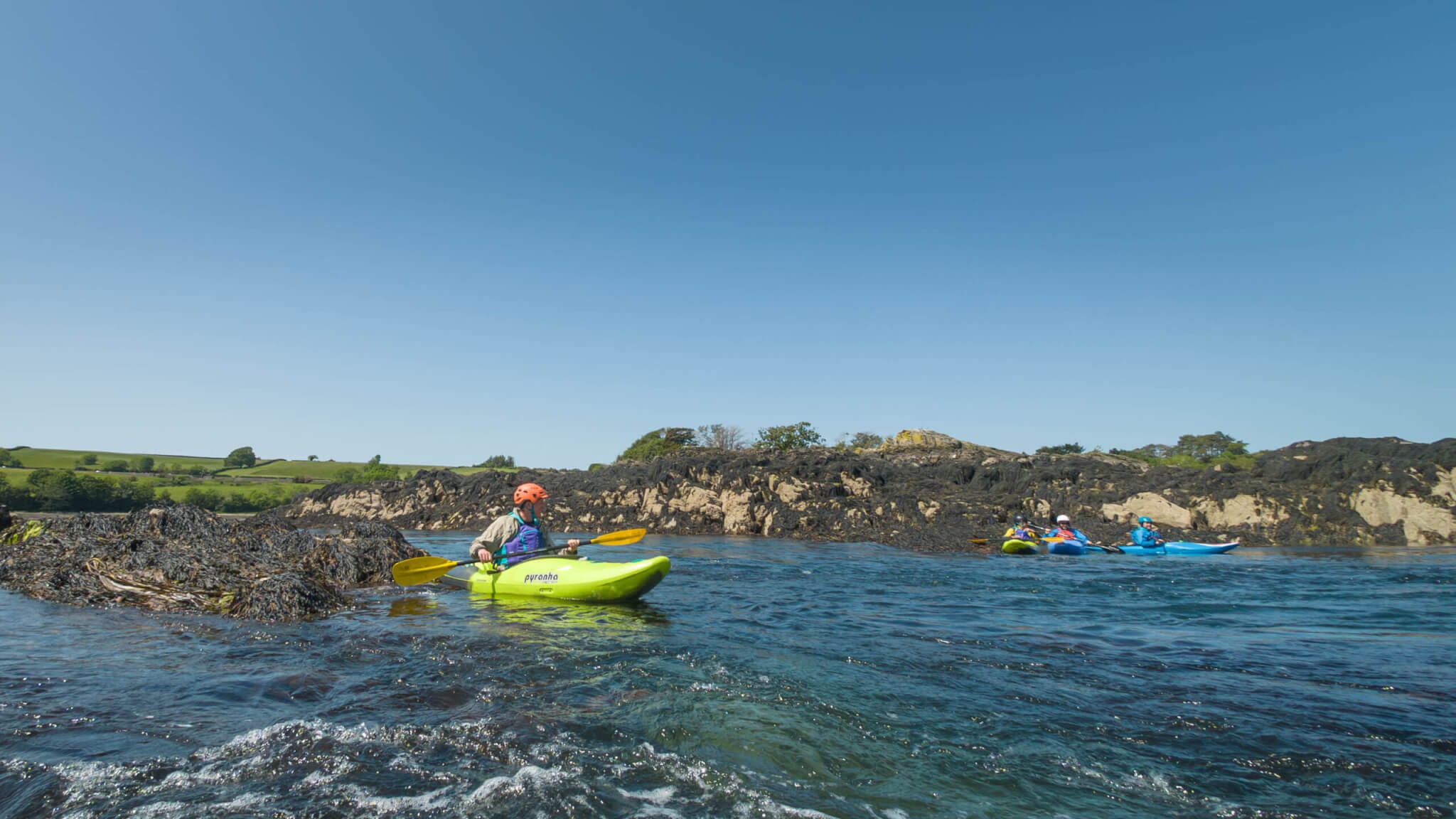
From Flat Water to Flowing Rivers: Finding Your Edge on Moving Water
There is a unique moment of transition that every paddler remembers: the exact second you leave the calm, predictable glass of a lake and feel your bow caught by a living, pulsing river current. For some, it brings a quick spike of adrenaline; for others, a touch of hesitation. But as the students on our latest Introduction to White Water Kayaking course discovered, with the right progression, that hesitation quickly turns into pure exhilaration.
"I’ve ended the week doing a lot more challenging stuff than I thought I would do at the beginning. It’s been really good."
The Power of a Structured Progression
Moving water can look chaotic from the riverbank, but it follows predictable physical laws. The secret to mastering it isn't brute strength—it’s understanding river features and building a reliable technical foundation. Over five intensive days based in the heart of Eryri, our specialised coaches guide paddlers step-by-step through this exact evolution.
We kick off day one on flat water, sharpening the fundamental blade awareness and hull control needed to manoeuvre a white water spec craft with precision. From there, the challenge builds organically. We introduce controlled capsize drills early on, transforming the fear of tipping over into a managed, confident routine. Once the safety basics are dialled in, we move onto Grade II rivers, translating those flat-water skills into real-world tools.
Unlocking the Core Skills
By immersing yourself for five full days with a 1:6 instructor ratio, you gain the muscle memory and tactical awareness required to truly 'read' a river. The course focuses heavily on the basics of white water paddling:
Breaking In and Out: Learning how to cross the 'eddy line'—the boundary between fast-moving downstream currents and the calm water behind boulders or bends—without losing your balance.
Ferry Gliding: Angling your kayak precisely against the flow to track perfectly sideways across a rushing river without being swept downstream.
Surfing Standing Waves: Capitalising on the river's natural energy to hold your position on a stationary wave face, experiencing the ultimate playground of white water.
"Coming from a sea kayaking background, I’d never been on white water before. It’s been a good challenge—little bit scary at times, but a really nice group and excellent instructors."
More Than Just Paddling
True river independence demands more than just slick technical strokes. Our coaches weave safety, rescue tactics, and rolling practice into the fabric of the week. Utilising our dedicated on-site rolling pool and private lake, you'll practise high-recovery supports and rescue scenarios in a controlled environment before executing them under real river conditions.
Ready to leave the flat water behind? Head over to our Course Page to check out dates, view the comprehensive kit list, and lock in your next adventure!
Staying Safe When the Hills Heat Up: A Summer Guide
When a heatwave hits the UK, the instinct to head straight to the peaks of Eryri or down to the nearest body of water is overwhelming. But extreme heat introduces an entirely different set of risks than our usual wet and windy challenges.
Before you pack your speedos, here is a quick-fire summary compiled from five of the UK's most trusted outdoor safety organisations.
1. Plan, Pack, and Protect (AdventureSmart UK)
An exceptional summer day out starts before you leave the front door. Ask yourself the classic AdventureSmart UK framework questions: Do I have the right gear? Do I know the weather? Am I confident in my skills?
The Heatwave Twist: "The right gear" shifts from waterproof shells to high-factor sunscreen, wraparound sunglasses, and wide-brimmed hats. Don't rely on a "once-a-day" sunblock application—sweat and dirt rub it off quickly, meaning regular top-ups are essential.
2. Manage Upland Hazards & Hydration (BMC Safety Advice / BMC Fire Advice)
Ascending high ridges might give you a slight breeze, but it also leaves you completely exposed to intense UV radiation. The BMC emphasizes a full on hydration management:
Fluid & Salt: Carry more water than you think you need, alongside electrolytes to replace what you sweat out.
Wildfire Risk: Tinder-dry conditions turn our beautiful uplands into extreme fire hazards. Keep the hills safe by observing the absolute ban on campfires and BBQs in vulnerable upland habitats. Disposable BBQs are a no-no at all times of year.
3. Dynamic Leadership and Route Choice (Mountain Training)
If you are leading a group or walking with less experienced friends, hot weather requires serious tactical adjustments. Mountain Training emphasizes utilising professional judgment to adapt to the climate:
Alter the Plan: Consider shifting your itinerary to early mornings or cooler evenings.
Seek Shade: Choose lower-level valley routes with tree canopy cover over blistering, exposed crags.
Enforce Breaks: Build mandatory shade and hydration stops into your progression layout before fatigue drops your group's morale or safety awareness.
4. Respecting the Water: "Float to Live" (RNLI)
Plunging into a deep lake or a mountain tarn seems like the perfect way to cool down, but it carries a silent, physiological trap. Even in a heatwave, deep open waters in the UK remain shockingly cold.
Cold Water Shock: Sudden immersion can trigger an involuntary gasp reflex and rapid breathing, which can cause drowning in seconds.
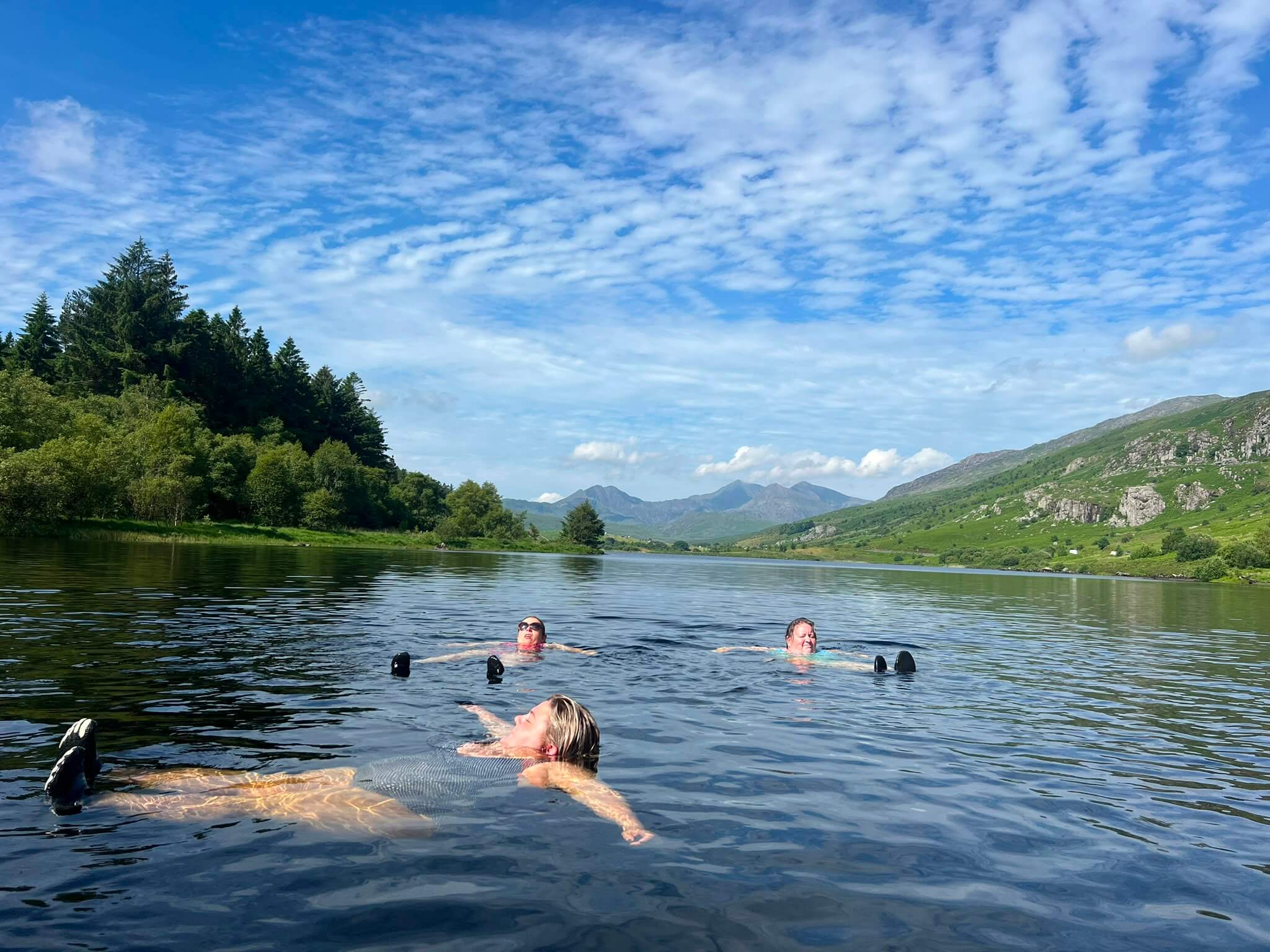
The Technique: If you enter the water unexpectedly, follow the RNLI's definitive advice: Float to Live. Fight the instinct to thrash. Lean back, extend your arms and legs, submerge your ears, and float calmly until your breathing settles and you can swim to safety.
5. The Science of the Dip (Outdoor Swimming Society)
Understanding how your body reacts to extreme temperature transitions can save your life. The Outdoor Swimming Society highlights two vital physiological phenomena for summer adventurers:
Cold Incapacitation: Within minutes of swimming in cold water, your body restricts blood flow to your limbs to protect your core. Your finger and arm muscles will lock up, destroying your swimming ability even if you are exceptionally fit.
Afterdrop: Don't be fooled if you feel warm right when you step out of the water. Ten minutes later, deep cooled blood from your extremities circulates back to your core, causing your temperature to plummet. Always have warm layers ready immediately after a dip.
A great summer adventure means adjusting your mindset. Respect the sun, protect your body, and treat open water with the exact same caution you'd give a winter gale. Stay safe out there, and pop in for an ice-cream and a cold drink from the bar afterwards.